La miopía nocturna es un misterio que "traía de cabeza a astrónomos y militares desde el siglo XVIII", según los autores de este trabajo, que tras concluir su investigación admiten que el impacto en la visión es menor de lo que se creía, por lo que no sería necesario usar gafas o lentillas especiales para corregirla.
La miopía nocturna fue bautizada así y descrita por primera vez en 1942 por dos españoles, los especialistas en óptica, José María Otero y Armando Durán, aunque mucho antes ya era objeto de preocupación en los bandos combatientes de la II Guerra Mundial.
Alemanes, británicos y estadounidenses encerraban a sus vigías en cuartos oscuros para adaptar sus pupilas a la noche y pudieran avistar la llegada del enemigo. "Hubo un momento en la historia en el que conocer la magnitud y los procedimientos para corregir la miopía nocturna se consideraban secretos militares", explica a la agencia SINC uno de los autores del estudio, Pablo Artal.
No obstante, el fenómeno es conocido desde finales del siglo XVIII y ha interesado a célebres científicos como Lord Rayleigh, quien reconocía haberse percatado de que "en una habitación casi a oscuras era claramente miope"
Publicado Por 20 Minutos (España)
Enlaces a sitios |
| |
Center for Systems Neuroscience | Boston University Centro multidisciplinario en la Universidad de Boston cuya misión es avanzar en la formación y la investigación en neurociencia de sistemas y computacional.
| Gross Physiology of the Cardiovascular System global overview of the mechanical function of the cardiovascular system including the factors governing cardiac output.
|
Grossology by Branzei, Sylvia; Keely, Jack, ill devoted to the science of really gross things relating to bodily functions: snot, farting, smelly feet etc.
| Physician"s Guide to the Internet Guía para médicos en internet (American Medical Association).
|
Physiology, Defecation - StatPearls - NCBI Bookshelf Revisión detallada de la fisiología de la defecación, incluyendo anatomía, control neural y el reflejo de la defecación, de la Biblioteca Nacional de Medicina (EE. UU.).
| PhysioNet: Research Resource for Complex Physiologic Signals forum for dissemination and exchange of recorded physiologic signals and open-source software for analyzing them, intended to stimulate current and new research.
|
Weill Cornell Medicine - Department of Physiology and Biophysics Is world leader and dedicated to an innovative, cutting-edge research and high-level educational opportunities and training for highly qualified students, postdoctoral fellows and residents in successful careers in research, teaching and industry.
| Your Kidneys & How They Work - NIDDK Learn how your kidneys filter blood, why kidneys are important, and how kidneys help maintain a healthy balance of water, salts, and minerals in your body.
|



 Home
Home  Atrás
Atrás  Arriba

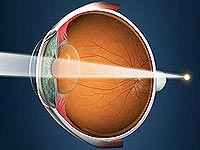
 Imagen: Agencias / Internet